


Different Types of golf courses
The Six Types of Golf Course — And Why Knowing the Difference Changes Everything

There is a moment every serious golfer knows. You step onto the first tee of a course you've never played, and within a few minutes you realise — this is a completely different game to the one you played last week.
Same clubs. Same swing. Entirely different world.
That's the beauty of golf course architecture. Across the globe, no two courses are built alike, and the type of terrain beneath your feet shapes every decision you make — how you read the wind, where you land your approach, whether you fly the ball or run it in. Understanding the six principal types of golf course is not just an interesting education. For the travelling golfer who plays for the sheer joy of it, it's the difference between being prepared and being caught out.
Here is your guide.
1. Links Courses
Links golf is where the game began, and for many, it remains the purest expression of the sport.

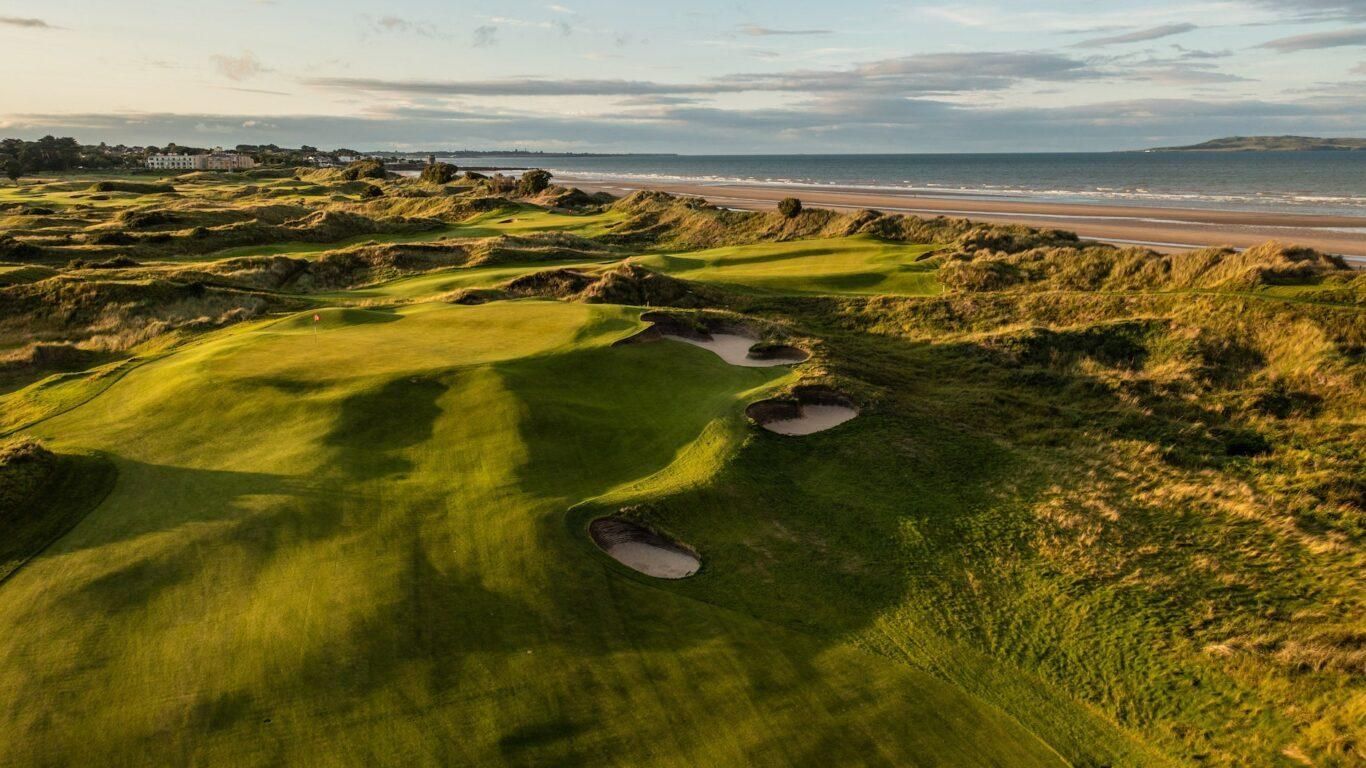
The word "links" derives from the Old English hlinc — rising ground, or ridge — and describes the narrow strip of coastal land that connects sea to farmland. It's a landscape defined by what it lacks: trees, shelter, and forgiveness. In their place, you'll find fast-draining sandy soil, undulating fairways that roll and pitch in unpredictable directions, pot bunkers deep enough to disappear into, and wind that makes every number on your card a negotiation.
On a true links, the ground is as important as the air. The ball runs, bounces, and curves along the turf in ways that reward imagination and punish rigidity. You cannot play aerial golf and expect to win. You must think in ground games — bump-and-runs, low stingers, angles that account for where the ball will finish, not just where it will land.
The world's greatest links courses are concentrated in Scotland, Ireland, and England. St Andrews, Royal County Down, Ballybunion, Carnoustie, Royal Portrush — these are names that carry weight for good reason. Playing them is an education in the origins of the game, and no golf journey is complete without at least one round on proper linksland.
Golf Escape Travel arranges private access and preferred tee times at some of the most sought-after links courses in the British Isles and beyond.
2. Parkland Courses
If links golf is wild and elemental, parkland is refined and considered — and the majority of golfers around the world cut their teeth on exactly this style.

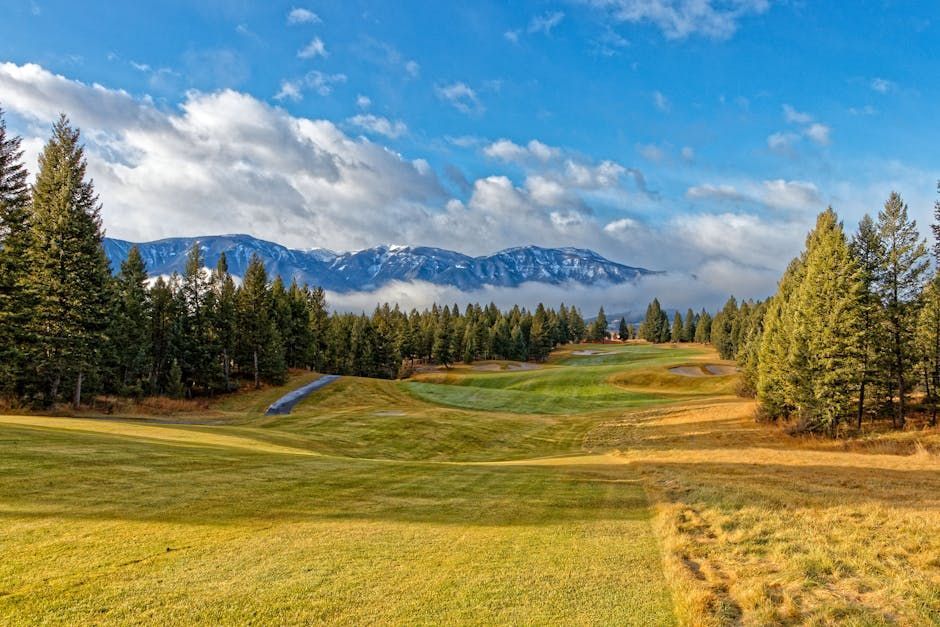
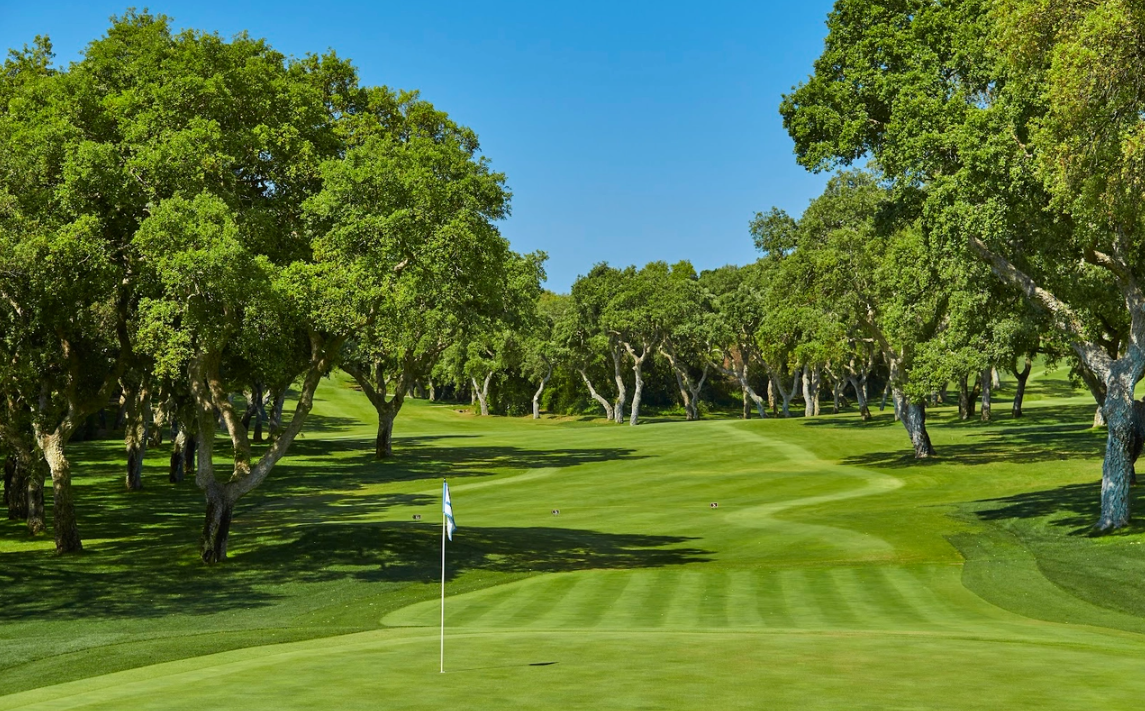
Parkland courses are built on inland terrain, typically through wooded countryside, with tree-lined fairways, manicured rough, and carefully placed water features. The aesthetic is lush, almost garden-like. Greens hold approach shots, fairways reward precision off the tee, and the hazards — ponds, lakes, sculpted bunkers — are placed with clear strategic intent.
This is aerial golf. The premium is on clean ball-striking, shot-shaping, and landing the ball in the right sector of the fairway. Bounce and run are far less of a factor than on links or heathland courses; what you see in the air is usually what you get.
The world's finest parkland layouts are feats of landscape architecture — Augusta National, Wentworth, Valderrama, The Belfry. They reward skill, reward patience, and offer a visual beauty that makes every round feel like something worth remembering.
3. Heathland Courses
Heathland courses occupy a fascinating middle ground — they feel like links cousins who chose to move inland, taking the spirit of the game with them but trading the coast for something altogether more English.

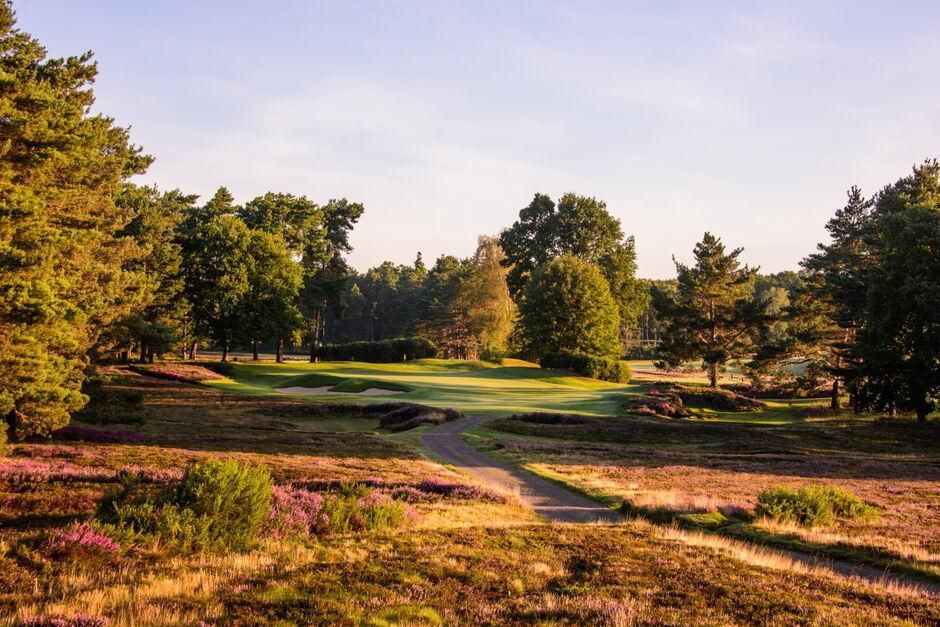
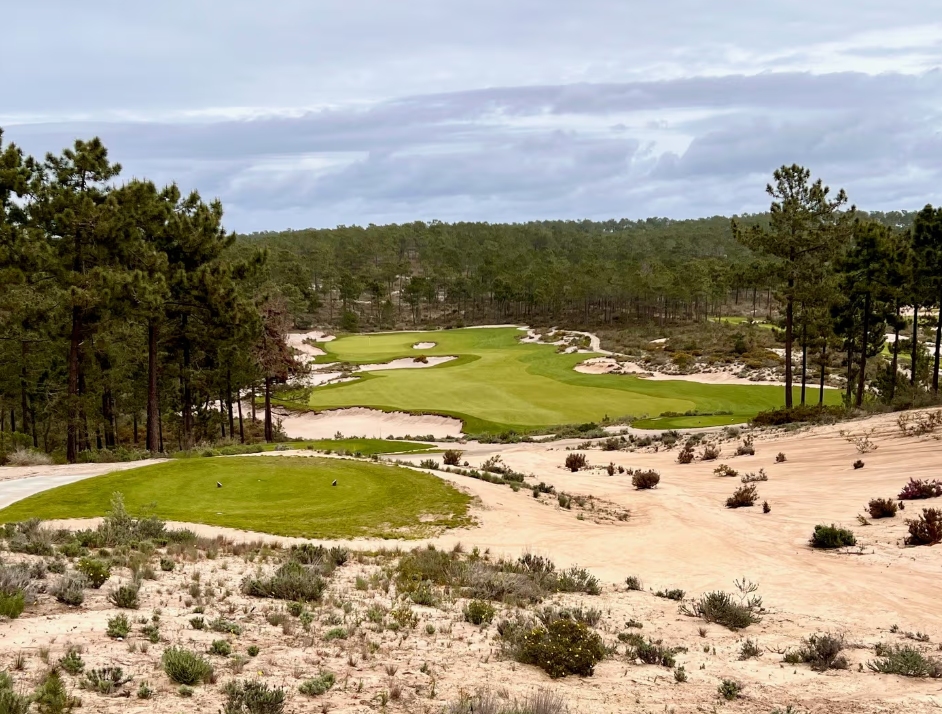
Built on sandy, free-draining soil in areas where gorse, heather, and pine trees define the landscape, heathland courses emerged in Britain when golfers began searching for playable ground away from the coast. The terrain is naturally undulating, the fairways are often firm, and the rough — a dense tangle of purple heather and bright yellow gorse — is uncompromising.
These courses are less manicured than parkland layouts, with a rawness that gives them tremendous character. They reward accuracy rather than length, and the subtleties of the ground game come back into play. Wind is a factor, though less dramatic than on exposed linksland.
Britain is home to a remarkable concentration of heathland courses of the very highest quality — Sunningdale, Walton Heath, Woking, Alwoodley. If you have never played the Surrey heathland stretch, it belongs on your list. Few afternoons in golf come close.
4. Sandbelt Courses
To understand the sandbelt, you need to understand Melbourne.

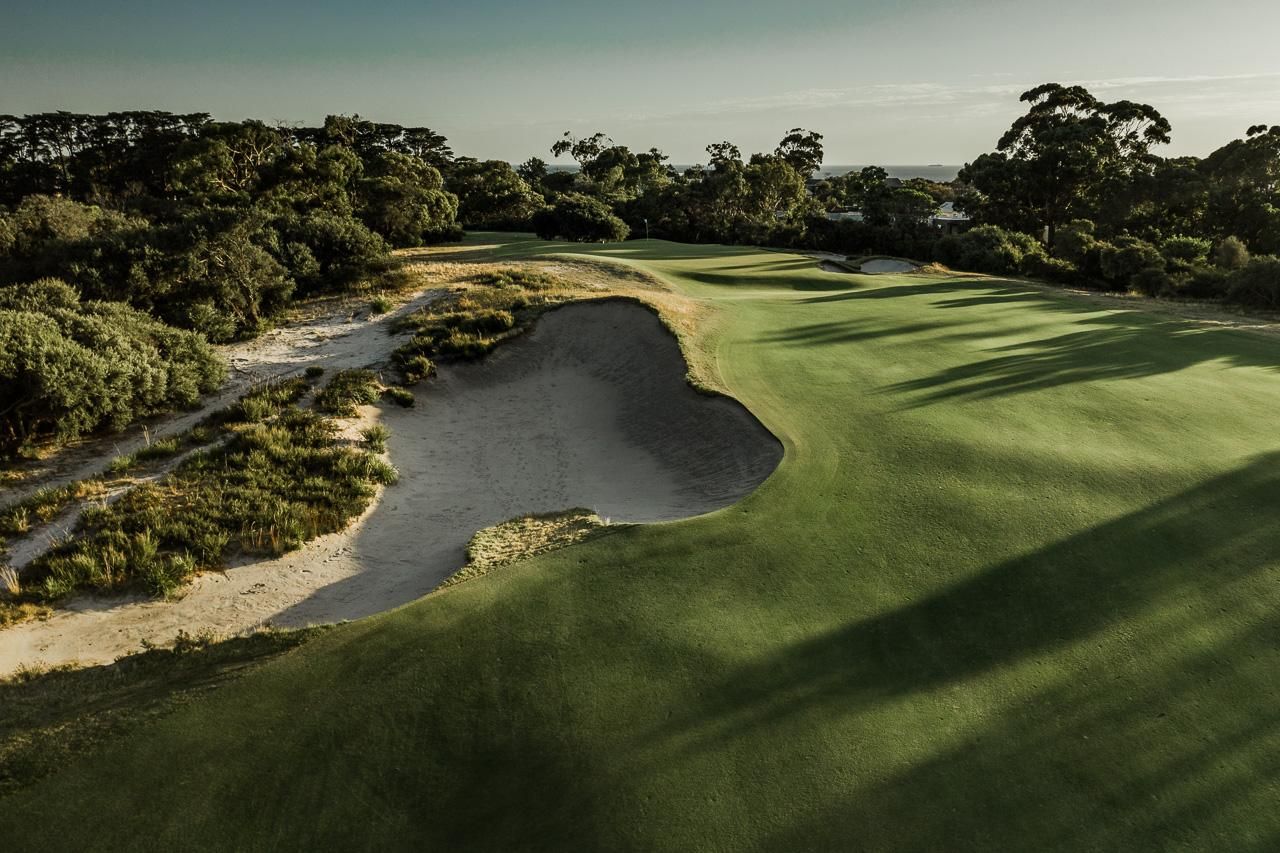
On the outskirts of Australia's cultural capital lies one of golf's great geological anomalies — a region of deep sandy loam, thought to have been deposited by prehistoric floods, that creates perfect conditions for golf course construction. The sandy base drains immediately, allows bunkers to be cut anywhere with razor precision, and produces firm, fast turf that rewards the ground game in a manner unlike almost anywhere else in the world.
The result is a cluster of golf courses so consistently excellent that many architects consider the Melbourne sandbelt the finest concentration of great golf on earth. Royal Melbourne, Kingston Heath, Metropolitan, Commonwealth — each one a masterwork of design philosophy. Many were shaped by the extraordinary hand of Dr Alister MacKenzie, whose strategic genius found its ideal canvas in this unique Australian landscape.
Playing sandbelt golf is a revelation for any golfer who has only known parkland or even links. The bunkers are deep-faced and perfectly placed. The greens are sculpted with contours that reward precision and punish laziness. And the native vegetation — low scrub, melaleuca, banksia — gives each course a visual identity entirely its own.
If you've never been, a sandbelt golf trip to Melbourne should be on your horizon before too long. When you arrive, you'll understand immediately what the quiet fuss has always been about.
5. Stadium / Championship Courses
Stadium and championship courses are designed not just to be played, but to be watched.

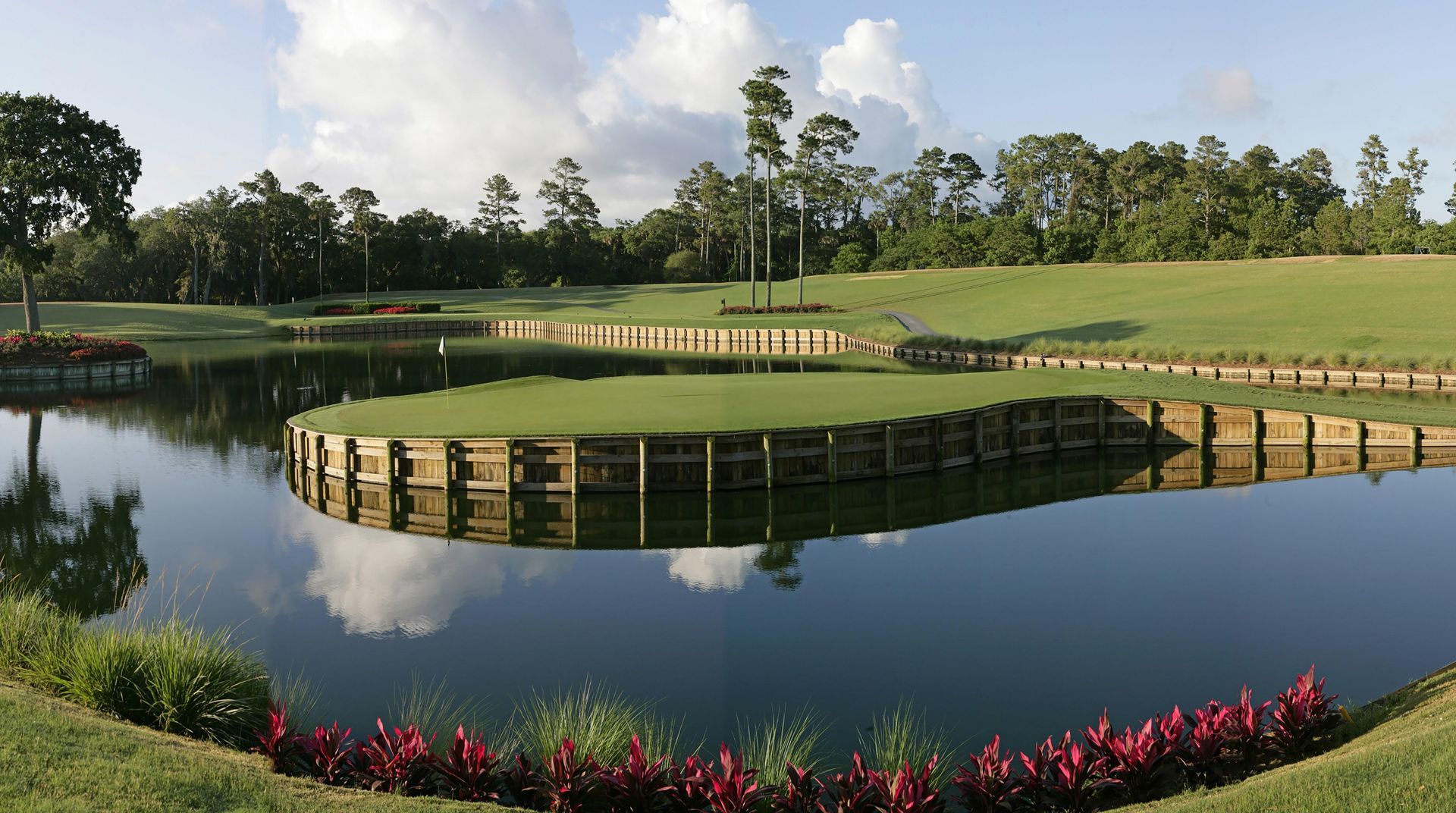
Where most courses evolve organically from their terrain, these layouts are engineered with a second audience in mind — the thousands of spectators who gather around ropes and grandstands to watch the game's best players compete. The result is a specific set of design priorities: wide corridors for crowd movement, elevated ground around greens that offer natural amphitheatres, and finishing holes constructed for maximum drama.
These courses tend to be demanding, meticulous, and unforgiving under tournament conditions — though for the visiting golfer, they offer something money rarely buys: the chance to play the same course, from the same tees, under the same pressure points, as the professionals you've watched on television. TPC Sawgrass, Augusta National (for those fortunate enough), Pebble Beach — standing over a ball where a major champion has stood, knowing the outcome matters, is something no simulator or replica can replicate.
Golf Escape Travel specialises in arranging access to championship courses that most golfers can't reach through standard booking channels.
6. Desert Courses
Desert golf exists in a category of its own — a game played on extraordinary landscapes under conditions that demand a recalibrated understanding of the sport.

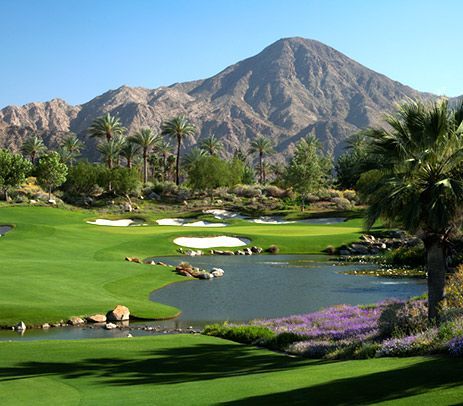
Found in the American Southwest, Dubai, Abu Dhabi, and parts of southern Spain and Morocco, desert courses carve meticulously maintained playing surfaces — lush green fairways and manicured greens — directly from arid, rugged terrain. The contrast is stark and, in its own way, spectacular.
The strategic demands are acute. Fairways may look wide, but the margins are absolute. A ball in the rough on a parkland course costs you a shot. A ball in the desert scrub, rocky waste, or sand wash costs you the hole. There are no soft landings, no gentle recoveries. Desert golf rewards the precise thinker over the bold hitter, and the penalty for a lapse in concentration is immediate and final.
Courses like Emirates Golf Club in Dubai, Saadiyat Beach in Abu Dhabi, and the desert layouts of Scottsdale and Phoenix have developed significant reputations — and rightly so. They offer an experience of the game that is unlike anything produced on softer ground, and for golfers who thrive under pressure, they are irresistible.
Which Type of Course is Right for You?
The honest answer is: all of them, in time.
The most complete golfers — and the most fulfilled golf travellers — are those who seek out different types of course deliberately. Each one develops a different muscle, demands a different thought process, and rewards a different kind of intelligence.
At Golf Escape Travel, we design itineraries that take you beyond the familiar and into the genuinely extraordinary. Whether you want to stand on the links of the Irish west coast with the Atlantic pressing in, discover the sandbelt courses of Melbourne that most visiting golfers never find, or play a circuit of heathland gems within an hour of London — we know these places personally, and we build trips around them with the kind of care and detail that makes a real difference.
Every course we recommend, we have either walked ourselves or verified through relationships we trust. That's not a marketing claim. It's simply how we work.
If you're thinking about a golf trip that goes further — in ambition, in quality, and in the stories you come home with — we'd love to start the conversation.
Visit www.golfescapetravel.com to explore our Escorted Golf Tours or Build your own here